

Narrowband UVB Phototherapy
Narrowband UVB (NB-UVB) phototherapy is a medical treatment that uses a precise wavelength of ultraviolet B light (311–313 nm). Unlike sunlight, which contains a broad range of ultraviolet wavelengths, it uses only a narrow therapeutic range.
When delivered using appropriate clinical protocols, NB-UVB has a well-established safety profile.
How It Works
The skin is not simply a protective barrier—it is an active immune organ, with a complex network of immune cells and signaling pathways.
NB-UVB has immunomodulatory effects, including effects on T-cell activity and cytokine signaling.
These mechanisms contribute to its long-established therapeutic role in dermatology.
Is this the same as red light therapy?
While both involve the use of light, red light therapy and narrowband UVB phototherapy use different wavelengths and are intended for different purposes.
Red Light Therapy
- Uses visible red or near-infrared light.
- Commonly offered in wellness settings.
Narrowband UVB Phototherapy
- Uses a specific wavelength of ultraviolet B light (311–313 nm).
- Long-established medical phototherapy.
At Darian Light, we focus exclusively on narrowband UVB phototherapy, delivered using medical-grade equipment within a structured clinical program.
Our Equipment
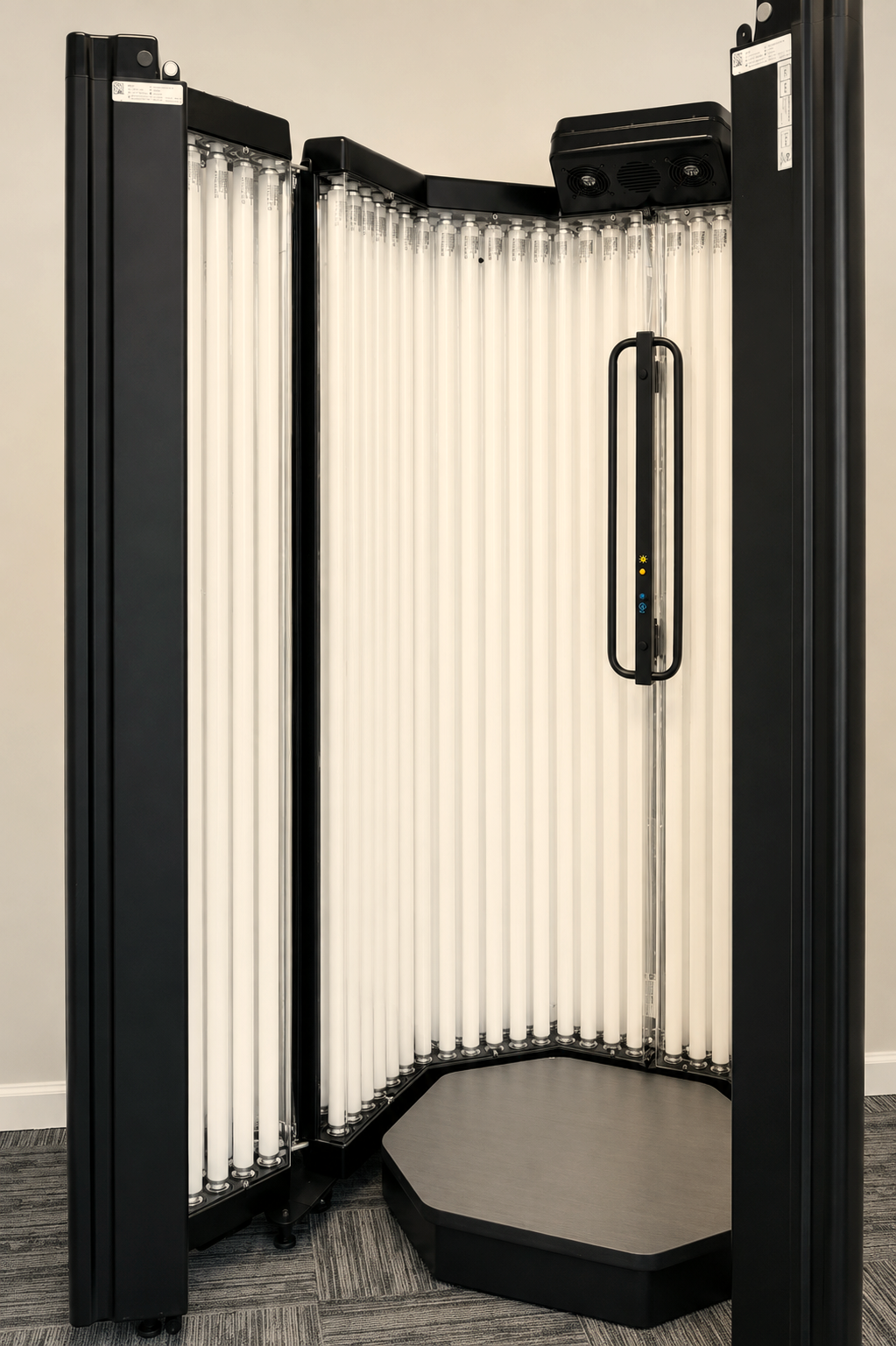
Darian Light uses the Phothera Pro 4800 Max, an FDA-cleared full-body narrowband UVB phototherapy system indicated for the treatment of diagnosed skin disorders. Narrowband UVB has been used in dermatology for decades for conditions such as psoriasis, vitiligo, and atopic dermatitis.
Treatments are delivered using standardized clinical protocols with individualized dosing and built-in safety features.
What a Treatment Course Is Like
Treatment sessions typically last 20 seconds to 5 minutes. Most patients attend 2–3 times per week as part of an initial course of approximately 30 sessions.
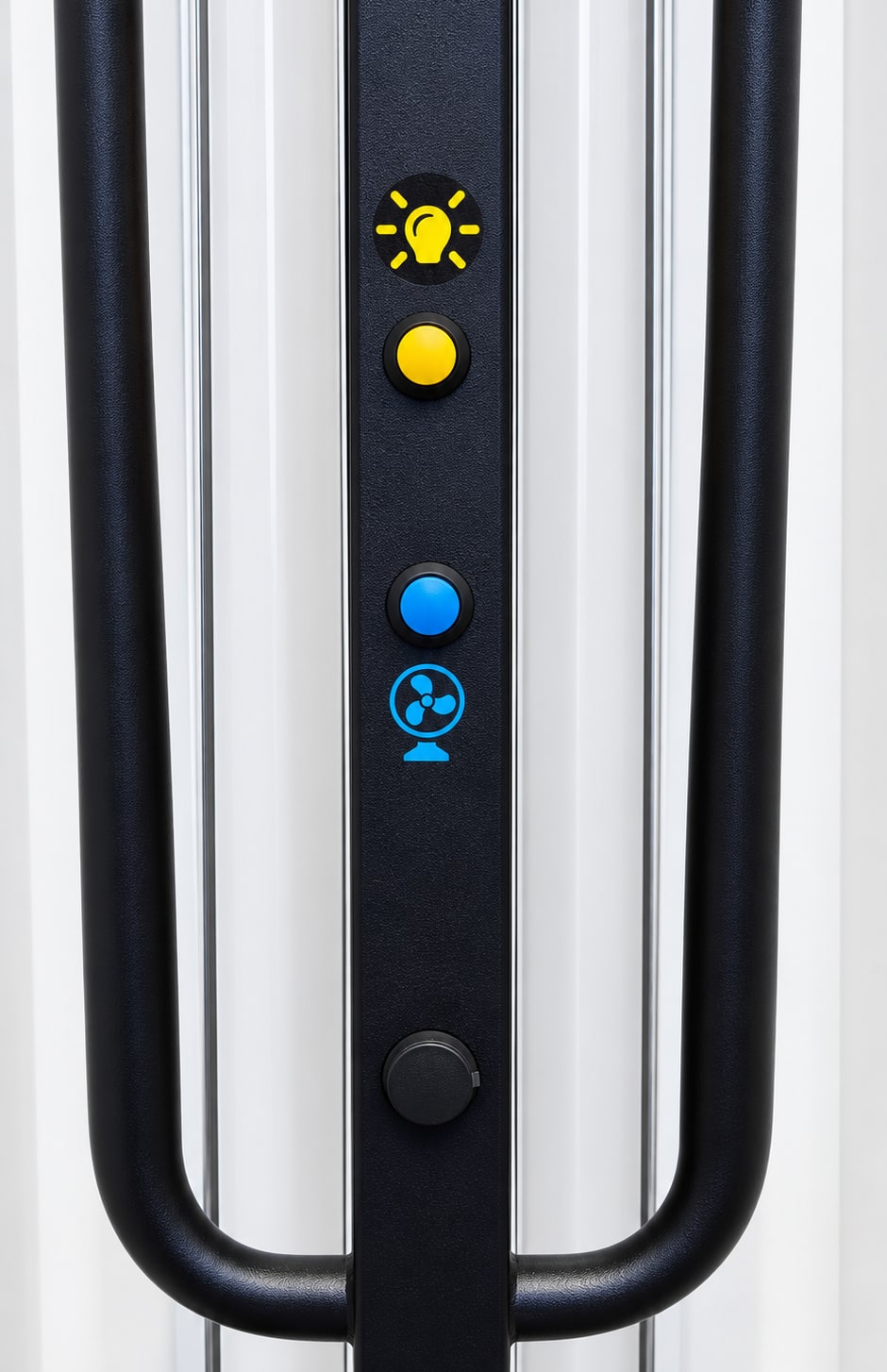
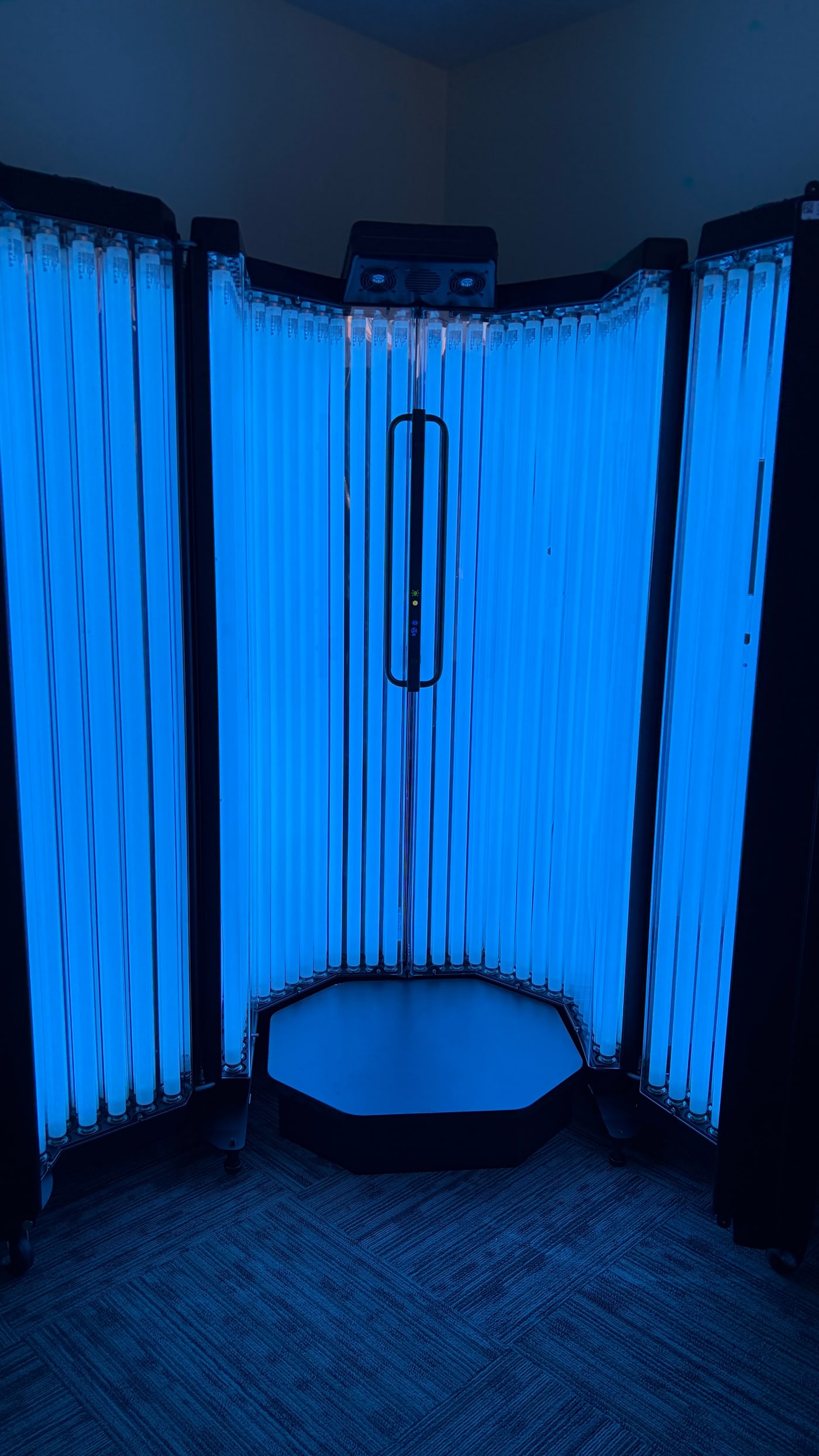
You'll stand comfortably inside the phototherapy booth while the NB-UVB lamps are illuminated. UV-protective eyewear is worn during every treatment. Most patients notice little sensation beyond a slight feeling of warmth, and an integrated cooling fan is available for comfort.
Some patients who benefit from treatment continue with individualized maintenance sessions, often about once per week.
Considering narrowband UVB phototherapy?
Every patient's situation is different. If you're wondering whether narrowband UVB phototherapy may be appropriate for you, we're here to help.